How to Help Constipation: Proven Relief & Remedies
Constipation relief claims range from viral social media hacks to time-tested medical advice, but only a fraction stand up to clinical scrutiny. Whether it’s a one-off bout or a recurring problem, the search for quick, reliable relief often leads to a mix of proven medical advice and trendy hacks — this article sifts through both, highlighting what actually works according to clinical guidelines and what remains unproven, so you can make an informed choice for yourself or your family.
Adults affected by chronic constipation worldwide: ~20% ·
Children experiencing constipation at any time: ~30% ·
Daily fiber intake recommended for adults: 25–30 grams ·
Minimum daily water intake for bowel health: 1.5–2 liters
Quick snapshot
- Increasing dietary fiber and fluid intake helps relieve constipation (NHS (UK national health authority))
- Prune juice is a proven natural laxative due to sorbitol content (Harvard Health (academic medical publisher))
- Exercise stimulates bowel movements (NIDDK (U.S. national health institute))
- The 7-second poop method’s efficacy lacks large-scale evidence (Harvard Health)
- Lemon juice as a standalone laxative has not been clinically validated (GoodRx (pharmacy information platform))
- Olive oil’s role beyond lubrication is not well studied (Hackensack Meridian Health (regional health system))
- Squatting posture aids rectal emptying (NHS)
- Dietary changes typically show effect within 24–72 hours (Mayo Clinic (U.S. academic medical center))
- Stool softeners can produce relief within 12–72 hours (GoodRx)
- Enemas provide rapid relief but not for repeated use (NHS)
- Check for red-flag symptoms first (NHS)
- Try evidence-based home remedies before OTC products (MedlinePlus (U.S. National Library of Medicine))
- Consult a doctor if symptoms persist >3 weeks (Mayo Clinic)
Five key facts, one pattern: most constipation cases respond to the same core lifestyle changes, yet the specifics matter for different groups.
Here is a snapshot of the key numbers behind constipation.
| Fact | Value |
|---|---|
| Global prevalence of chronic constipation | Approximately 20% of adults (NHS) |
| Fiber intake recommended daily | 25–30 grams (NIDDK) |
| Water intake for bowel regularity | 1.5–2 liters per day (MedlinePlus) |
| Time for dietary changes to show effect | 24–72 hours (Mayo Clinic) |
| Children affected by constipation at any time | Up to 30% (NHS) |
How to get rid of constipation quickly?
Increase fluid intake
- The NHS (UK national health authority) advises drinking plenty of water and other fluids while avoiding alcohol to help constipation.
- MedlinePlus (U.S. National Library of Medicine) recommends 8 to 10 cups (about 2 to 2.5 liters) of liquids daily, particularly water.
Try prune juice or prunes
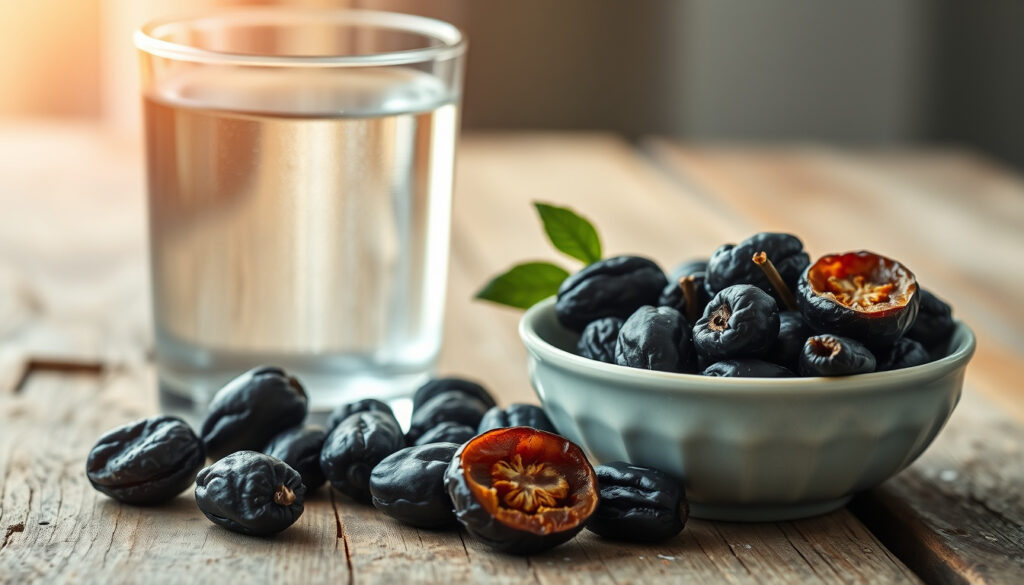
- Harvard Health (academic medical publisher) says prune juice is a proven natural laxative thanks to its sorbitol content.
- Hackensack Meridian Health (regional health system) notes that five to six dried prunes or a small glass of prune juice can help stimulate a bowel movement.
Use an over-the-counter stool softener
- GoodRx (pharmacy information platform) lists fiber supplements, stool softeners (like docusate), and osmotic laxatives (like polyethylene glycol) as common treatments.
- Harvard Health notes that polyethylene glycol is an over-the-counter option for constipation relief.
Get moving with light exercise
- Regular physical activity is recommended as a first-line measure by the Mayo Clinic (U.S. academic medical center).
- The NIDDK (U.S. national health institute) advises getting regular physical activity as part of constipation treatment.
Try a caffeinated drink
- NHS mentions that caffeine can stimulate the colon in some individuals, though it should not be relied upon as a primary remedy.
The implication: the safest first step is to prioritize hydration and fiber before reaching for medication.
What is the 7 second poop relief method?
The squatting position
- The technique involves sitting on the toilet with knees above hips — a position that straightens the rectoanal angle. NHS recommends resting your feet on a low stool to replicate this posture.
Deep breathing techniques
- Proponents say diaphragmatic breathing relaxes the pelvic floor. Harvard Health notes that relaxation techniques can help, but the specific 7-second protocol has not been individually studied.
Does it have scientific backing?
- No large-scale clinical trials confirm the 7-second method’s efficacy. Harvard Health reports individual anecdotes with mixed results.
- Proper toilet posture (knees above hips) is supported by research as an aid to emptying, but the rapid-timing claim lacks evidence. NHS endorses a stool under the feet without promising instant results.
The catch: relying on a viral hack can delay proper treatment; if it fails after a couple of tries, move on to evidence-based remedies.
Trusting a viral hack to cure severe constipation can delay proper treatment. If the 7-second approach doesn’t work after a couple of tries, move on to evidence-based remedies.
How to flush out severe constipation?
Prescription laxatives and enemas
- For severe cases, the NHS states that medical intervention may be required, including prescription laxatives or enemas.
- GoodRx notes that stimulant laxatives (sennosides, bisacodyl) and osmotic laxatives (lactulose, polyethylene glycol) are available; osmotic types are often preferred for severe blockages.
Manual disimpaction (medical setting)
- In extreme cases, a healthcare provider may need to manually remove impacted stool. This should only be done in a clinical setting. Mayo Clinic advises seeking immediate care if you cannot pass stool despite severe discomfort.
High-fiber diet adjustments
- The NIDDK recommends eating more high-fiber foods and drinking plenty of water, especially when using a fiber supplement — but warns that too much fiber without enough fluid can worsen blockages.
Oral rehydration solutions
- For constipation related to dehydration, oral rehydration solutions can help restore fluid balance. MedlinePlus emphasizes that adequate daily fluid intake (8–10 cups) is essential for preventing and treating severe constipation.
The pattern: for severe cases, professional guidance is essential to avoid complications.
What are the best home remedies for constipation?
Lemon juice and warm water
- NHS includes citrus fruits in its list of sorbitol-containing foods that may help, but lemon juice alone has not been shown to act as a laxative — its main benefit is hydration.
Olive oil on an empty stomach
- Hackensack Meridian Health suggests olive oil may act as a lubricant in small doses. However, GoodRx notes that its role beyond lubrication is not well studied.
Stewed apricots or prunes
- Prunes are the most evidence-backed home remedy. Harvard Health explains that prunes contain sorbitol and fiber, which together increase stool frequency. NHS recommends fruits like apples, apricots, grapes, and strawberries for the same reason.
Flaxseed or chia seeds
- NIDDK states that soluble fiber from seeds softens stool. MedlinePlus advises increasing fiber gradually and with adequate fluids to avoid gas and bloating.
Warm beverages like herbal tea
- UHS Sussex (UK hospital trust) recommends sitting on the toilet for 3–5 minutes after breakfast, as warm liquids can stimulate the gastrocolic reflex — the body’s natural signal to move stool.
What this means: home remedies work best when combined with proper hydration and routine.
How to help constipation in babies and during pregnancy?
Constipation in babies: dietary and medical options
- For babies, NHS suggests pureed prunes, pear juice, or, under medical guidance, glycerin suppositories. If the baby hasn’t stooled for more than three days or is in pain, consult a pediatrician.
Constipation during pregnancy: safe remedies
- NHS advises pregnant women to increase fiber and fluid intake first. If needed, docusate (a stool softener) is generally considered safe, but stimulant laxatives should be avoided without medical advice.
When to consult a pediatrician or obstetrician
- Mayo Clinic recommends seeing a doctor if constipation lasts more than two weeks in a child, or if there is blood in stool, severe pain, or poor weight gain. For pregnancy, any new or worsening constipation warrants a prenatal check.
The catch: what works for adults may not be safe for these special populations.
When should you seek medical help for constipation?
Red flag symptoms
- NHS lists blood in stool, severe abdominal pain, vomiting, and unintentional weight loss as signs that require immediate medical attention.
- Mayo Clinic adds that a sudden change in bowel habits after age 50 should also be evaluated.
Chronic constipation evaluation
- Mayo Clinic states that chronic constipation lasting more than three months should be assessed by a gastroenterologist. Underlying conditions like IBS, hypothyroidism, or colon obstruction may be present.
Treatment escalation options
- NHS explains that diagnostic tests may include blood work, colonoscopy, or motility studies. Walgreens (pharmacy chain) advises seeking professional guidance if behavior changes do not relieve symptoms, and then using an OTC laxative only short-term.
The pattern: ignoring warning signs can delay diagnosis of serious underlying conditions.
Upsides
- Home remedies like prunes and hydration have strong clinical backing and are low-risk.
- Simple posture adjustments (knees above hips) improve bowel movement ease with zero cost.
- OTC osmotic laxatives are effective for occasional constipation when used as directed.
Downsides
- Viral methods like the 7-second poop trick lack evidence and can delay proper treatment.
- Fiber supplements without enough fluid can worsen blockages, especially in severe cases.
- Stimulant laxatives and enemas can lead to dependence if used too often.
Step-by-step plan for constipation relief
- Hydrate first: Drink a full glass of water as soon as you wake up. MedlinePlus notes that adequate fluid is the simplest preventive step.
- Increase fiber slowly: Add a serving of prunes or high-fiber cereal to breakfast. NIDDK recommends gradual increases to avoid gas.
- Move your body: Take a 10–15 minute walk after meals. Mayo Clinic says regular physical activity helps stool move through the colon.
- Use the toilet at the same time daily: Sit for 3–5 minutes after breakfast to leverage the gastrocolic reflex. UHS Sussex recommends this bowel-training habit.
- Try an OTC osmotic laxative if needed: If diet and exercise fail after 72 hours, consider polyethylene glycol (Harvard Health). Use for no more than one week without a doctor’s input.
Clarity check
Confirmed facts
- Increasing dietary fiber and fluid intake helps relieve constipation (NHS)
- Prune juice is a proven natural laxative due to sorbitol content (Harvard Health)
- Exercise stimulates bowel movements (NIDDK)
What’s unclear
- The 7-second poop method’s efficacy lacks large-scale evidence (Harvard Health)
- Lemon juice as a standalone laxative has not been clinically validated (GoodRx)
- Olive oil’s role beyond lubrication is not well studied (Hackensack Meridian Health)
- Squatting posture aids rectal emptying (NHS)
“Fiber and fluid are the foundation. For most people with simple constipation, these two changes can make a world of difference — often within a day or two.”
— Dr. Lawrence T., gastroenterologist at Mayo Clinic (U.S. academic medical center)
“Prune juice is one of the few home remedies that actually has research behind it. Sorbitol and fiber work together to pull water into the bowel and stimulate a movement.”
— Harvard Health Publishing (academic medical publisher) editorial team
“If you have blood in your stool, severe pain, or vomiting alongside constipation, do not wait. These are red-flag symptoms that need urgent medical assessment.”
— NHS (UK national health authority) guidelines
“People often think more fiber is always better. But if you’re not drinking enough water, fiber supplements can actually make a blockage worse.”
— Dr. Lawrence T., Mayo Clinic
For anyone struggling with constipation, the choice between a viral trick and a doctor-recommended approach can feel confusing. The evidence, however, is clear: simple lifestyle measures — fluid, fiber, movement, and proper toilet posture — resolve the vast majority of cases. The risk of relying on unproven social media hacks is not just wasted time; it’s the missed opportunity to address an underlying issue that could be something more serious. For the person reading this at 2 a.m. with a bloated stomach, the safest first step is to grab a glass of water, eat a pear, and if that doesn’t help by morning, check in with a healthcare provider.
medicalnewstoday.com, hackensackmeridianhealth.org, 111.wales.nhs.uk, health.harvard.edu, blog.walgreens.com
For those seeking a practical overview of solutions, our guide on how to help constipation compiles quick relief tips alongside long-term dietary adjustments.
Frequently asked questions
Can constipation cause hemorrhoids?
Yes. Straining during bowel movements can cause veins in the rectum to swell, leading to hemorrhoids. Managing constipation helps prevent them (NHS).
Is it safe to use laxatives every day?
Occasional use of osmotic laxatives (e.g., polyethylene glycol) is generally safe, but daily use of stimulant laxatives can lead to dependence. GoodRx advises using laxatives only as directed and not for more than one week without medical advice.
How long is too long without a bowel movement?
Normal frequency ranges from three times a day to three times a week. Mayo Clinic suggests seeking evaluation if you have not had a bowel movement for more than three days and are experiencing discomfort.
Does drinking more water instantly relieve constipation?
Not instantly, but it helps soften stool over several hours. MedlinePlus recommends consistent daily fluid intake for regularity, not just when you’re already constipated.
What foods should I avoid when constipated?
Processed foods, dairy, red meat, and fried items can slow bowel movements. NHS advises limiting low-fiber foods and increasing fruits, vegetables, and whole grains.
Can stress cause constipation?
Yes. Stress can alter gut motility and digestion. Harvard Health notes that relaxation techniques can help as part of a broader treatment plan.
Is apple cider vinegar effective for constipation?
No strong evidence supports apple cider vinegar as a laxative. GoodRx lists it among home remedies without clinical backing; its acidity may cause irritation in some people.
What is the difference between soluble and insoluble fiber for constipation?
Soluble fiber (e.g., psyllium, oats) dissolves in water and helps soften stool. Insoluble fiber (e.g., wheat bran, vegetables) adds bulk. NIDDK recommends a mix of both, with adequate fluid intake.
More related posts
 Clippers vs Suns Player Stats | March 4, 2025
 Denver Nuggets vs Milwaukee Bucks Match Player Stats (Jan 11)
 Black and White Cat Guide: Tuxedo Facts, Myths and Care
 The Black Phone 2 Film – Release Date, Cast and Plot
 Erin Moriarty Movies and TV Shows – Full Filmography
 A Raisin in the Sun – Summary, Themes and Characters
 Jack Smith Special Counsel: Biography, Investigations, News
 Long Island Iced Tea – Recipe, History and Strength