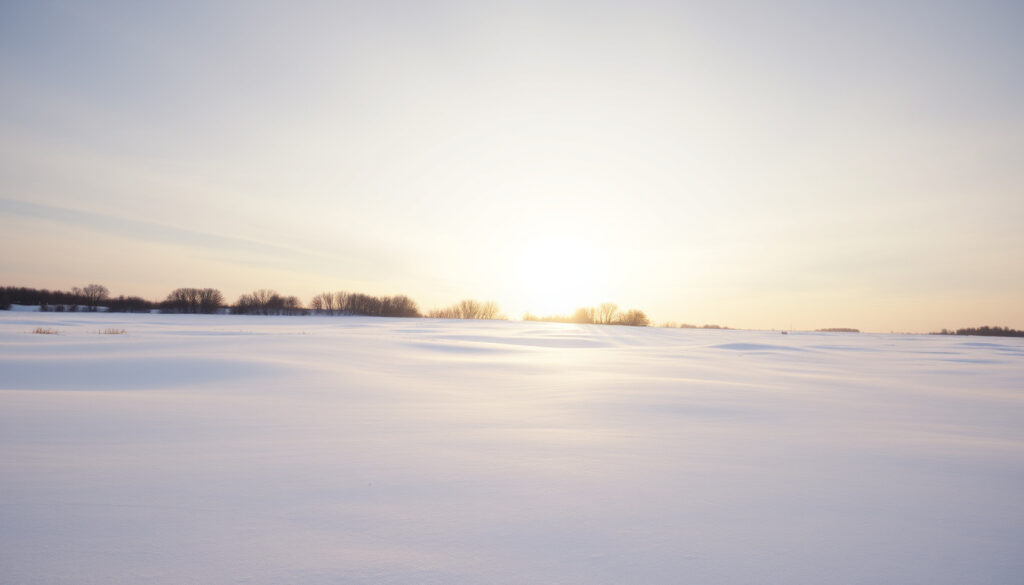
When is the Winter Solstice? 2025 Date and What Happens
There’s that moment in December when the daylight barely gets going before it fades again. For the Northern Hemisphere, that day has a precise name: the winter solstice. In 2025, the solstice lands on December 21, marking the shortest day and longest night of the year.
Date range for winter solstice (Northern Hemisphere): December 20–23 ·
2025 winter solstice (Northern Hemisphere): December 21 at 15:03 UTC ·
Typical date in the 21st century: December 21 or 22
Quick snapshot
- The winter solstice is the astronomical start of winter in the Northern Hemisphere (Britannica)
- 2025 winter solstice occurs on December 21 at 15:03 UTC (Mother Mag)
- The date and time can be precisely calculated using celestial mechanics (Wikipedia)
- The exact time of the solstice varies each year due to orbital irregularities (Victoria Harrison)
- Cultural traditions and celebrations vary widely across different communities (We’Moon)
- December 20–23: Winter solstice occurs in the Northern Hemisphere (dates vary) (Britannica)
- December 21, 2025: Winter solstice at 15:03 UTC (Mother Mag)
- After the solstice, daylight gradually increases until the summer solstice in June (Wikipedia)
The snapshot above condenses the key facts. Here’s a more detailed look at the numbers.
| Attribute | Value |
|---|---|
| 2025 winter solstice date and time | December 21, 15:03 UTC |
| 2026 winter solstice date | December 21 |
| Shortest day length (London, 21 Dec) | 7 hours 49 minutes |
| Sun’s declination at solstice | 23.5° south (Tropic of Capricorn) |
| Roman festival of Saturnalia | December 17–23 |
When is the winter solstice?
The short answer: the winter solstice in the Northern Hemisphere falls on December 21 most years, but it can drift between December 20 and 23. For 2025, the precise moment is December 21 at 15:03 UTC — that’s the instant when the Sun reaches its farthest southern declination.
What is the exact date of the winter solstice in 2025?
- The 2025 winter solstice occurs on December 21 at 15:03 UTC (Mother Mag).
- Time zone conversions will vary: in London that’s 3:03 p.m., in New York 10:03 a.m. and in Los Angeles 7:03 a.m.
Why does the winter solstice date vary between December 20 and 23?
- The solar year (the time it takes Earth to orbit the Sun) is about 365.24 days — a quarter-day longer than the Gregorian calendar’s 365 days (Britannica).
- That extra quarter-day pushes the solstice six hours later each year, with a leap day resetting the cycle — which is why the date can shift between December 20 and 23.
Because the solstice is tied to an exact astronomical moment, not a calendar date, anyone planning solstice celebrations in 2025 needs to know the UTC timing — a sunrise ceremony in Australia will occur nearly a day after one in North America.
What happens at the winter solstice?
At the solstice, the Earth’s axial tilt points the Northern Hemisphere farthest from the Sun. The Sun’s path across the sky is at its lowest altitude, giving us the fewest minutes of daylight and the longest night.
What is the astronomical explanation for the shortest day?
- The Northern Hemisphere is tilted away from the Sun by about 23.5°, so the Sun shines directly over the Tropic of Capricorn (Wikipedia).
- In London, the sun rises around 8:04 a.m. and sets by 3:53 p.m., yielding just 7 hours 49 minutes of daylight.
What happens to the Sun’s path on the winter solstice?
- The Sun reaches its lowest maximum altitude above the horizon — at midday it hangs low, casting long shadows (Time and Date).
- It appears to stand still in the sky (solstice means “sun stands still” in Latin) before reversing direction and climbing higher each day thereafter.
Yes, the days start getting longer immediately after the solstice, but the effect is tiny at first — only a few seconds of gained daylight in the first week. Real relief from darkness takes weeks.
Is the winter solstice always on December 21?
No — the solstice date can vary between December 20 and December 23, though December 21 and 22 are most common in the 21st century.
Can the winter solstice occur on December 20 or 22?
- Yes. December 20 solstices happen about once every ten years; December 22 occurs roughly twice per decade (Victoria Harrison).
- December 23 solstices are very rare — the last one was in 1903.
How does the Gregorian calendar affect solstice dates?
- The Gregorian calendar approximates the solar year, but the mismatch causes the solstice to drift by about half a day per year until a leap day resets it (Britannica).
- This drift is why the solstice can fall on different dates in different years.
Winter solstice timeline: key dates
Four milestones matter for understanding the solstice rhythm.
- December 20–23: Winter solstice occurs in the Northern Hemisphere (dates vary) (Britannica)
- December 21, 2025: Winter solstice at 15:03 UTC (Mother Mag)
- December 21, 2026: Winter solstice (exact time varies by timezone) (Wikipedia)
- After solstice: Daylight gradually increases until the summer solstice in June (Wikipedia)
What’s confirmed and what remains unclear
Confirmed facts
- The winter solstice is the astronomical start of winter in the Northern Hemisphere (Britannica).
- The date and time of the solstice can be precisely calculated using celestial mechanics (Wikipedia).
- 2025 winter solstice: December 21 at 15:03 UTC (Mother Mag).
- The shortest day in the UK on the solstice is approximately 7 hours 49 minutes in London (Time and Date).
What’s unclear
- The exact time of the solstice varies each year due to orbital irregularities (Victoria Harrison).
- Cultural traditions and celebrations vary widely across different communities (We’Moon).
- The exact health impacts of the solstice on individuals depend on geographic latitude and personal sensitivity (Wikipedia).
Expert perspectives on the winter solstice
“The winter solstice is the longest night and shortest day of the year in the Northern Hemisphere. It marks the astronomical beginning of winter.”
Britannica reference work
“Ancient monuments such as Newgrange and Stonehenge are precisely aligned with the winter solstice sunrise or sunset, showing how deeply pre-Christian cultures observed this event.”
Wikipedia encyclopedia
“The solstice holds spiritual significance in many traditions — from the Hopi Soyal ceremony to the Iranian festival of Yalda — all celebrating light overcoming darkness.”
Winter solstice and your health: what the science says
Reduced daylight around the solstice can affect mood and vitamin D levels. Seasonal Affective Disorder (SAD) symptoms often peak during the darkest weeks. The good news: after the solstice, every day brings a little more light.
For anyone in the Northern Hemisphere who struggles with winter darkness, the solstice is the turning point — daylight starts increasing the very next day, even if imperceptibly at first. A consistent morning walk or light therapy lamp can help bridge the gap.
For those wondering exactly when the shortest day falls, the first day of winter 2025 offers a detailed breakdown of the solstice timing and what causes it.
Frequently asked questions
When is the winter solstice in 2025?
December 21 at 15:03 UTC. In London that’s 3:03 p.m., in New York 10:03 a.m., and in Los Angeles 7:03 a.m. (Mother Mag)
What is the difference between the winter solstice and the summer solstice?
The winter solstice marks the shortest day and longest night; the summer solstice is its opposite — the longest day and shortest night. They occur six months apart due to Earth’s axial tilt.
How long does the winter solstice last?
The solstice is an instant — a single moment when the Sun reaches its maximum declination. However, the “shortest day” refers to the 24-hour period in which that moment falls (Wikipedia).
Why is the winter solstice celebrated by many cultures?
Across history, the solstice signaled the return of longer days and the rebirth of the Sun — a powerful symbol of hope and renewal. Traditions like Yule, Yalda, and Soyal all share this theme (We’Moon).
What is the shortest day of the year called?
The shortest day is called the winter solstice (or sometimes Midwinter). In the Southern Hemisphere, the same event occurs in June and is known as the June solstice.
Does the winter solstice always fall on December 21?
No — it can fall on December 20, 21, 22, or very rarely 23. In the 21st century, December 21 and 22 are most common (Britannica).
What happens to the Sun during the winter solstice?
The Sun reaches its lowest midday altitude of the year and shines directly over the Tropic of Capricorn. After the solstice, it begins climbing higher each day (Wikipedia).
The winter solstice is far more than a calendar curiosity — it’s a precisely measurable astronomical event that has shaped human culture for millennia. For anyone living in the Northern Hemisphere, the takeaway is practical: mark December 21, 2025 on your calendar, plan for the earliest sunset, and know that after this day, the light begins its slow return.
More related posts
 Washing Machine Heart Lyrics Meaning Explained | Mitski
 Night Agent Season 3: Release Date, Cast, and Rose’s Exit
 How Old Is Jennifer Lopez? Age, Height, Weight & More
 Pledge of Allegiance Words: Full Text, PDF & Meaning
 France National Football Team Players 2026: Squad & Numbers
 How to Fix Sticky Keyboard Keys: A Complete Cleaning Guide
 Jack Smith Special Counsel: Biography, Investigations, News
 Where Is Caitlin Clark From? Hometown and Background